What is the difference between the two programmes?
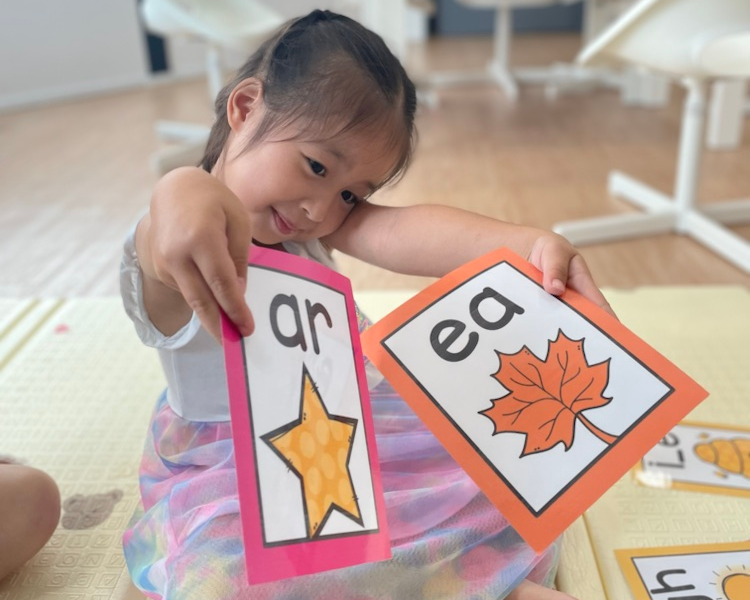
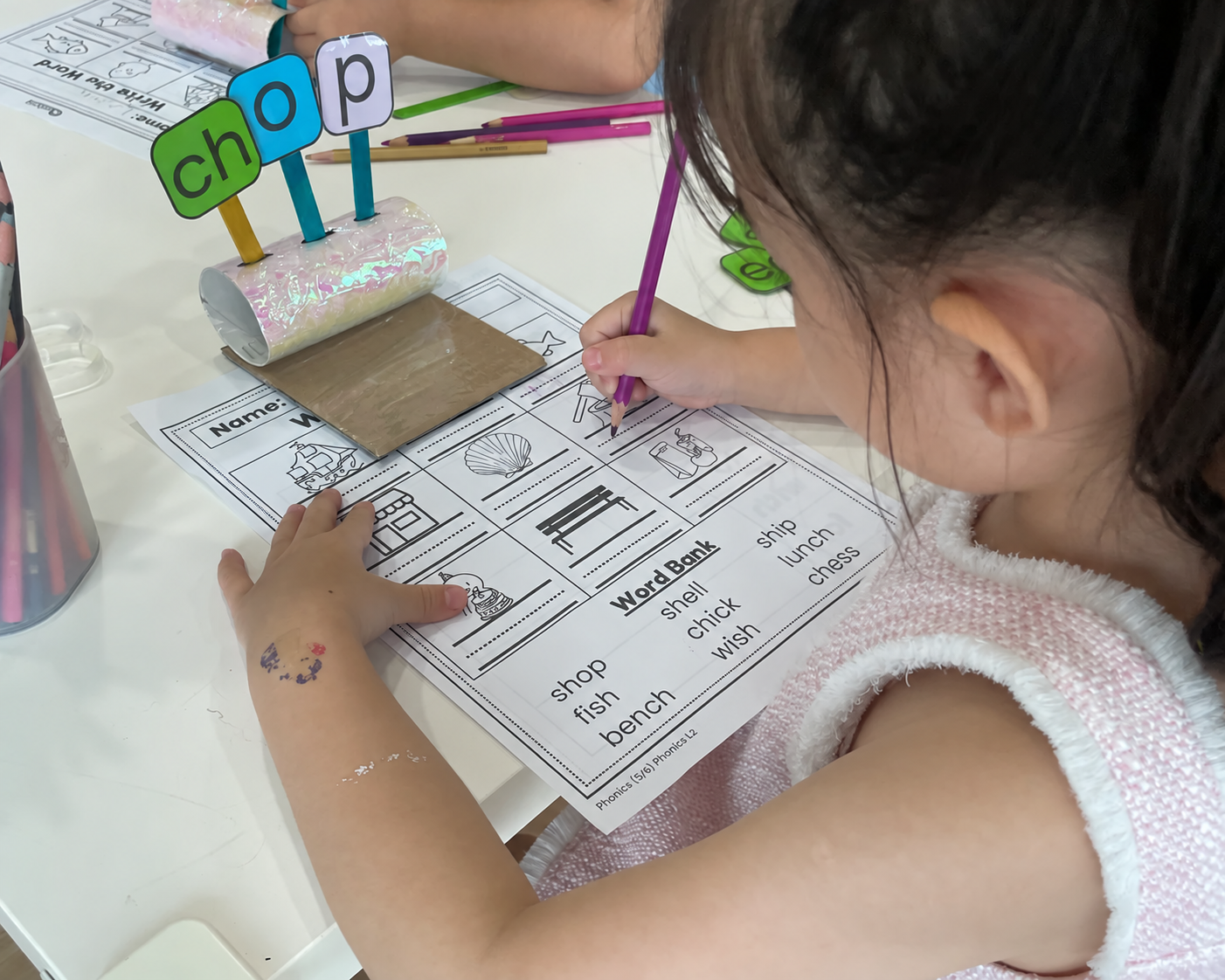
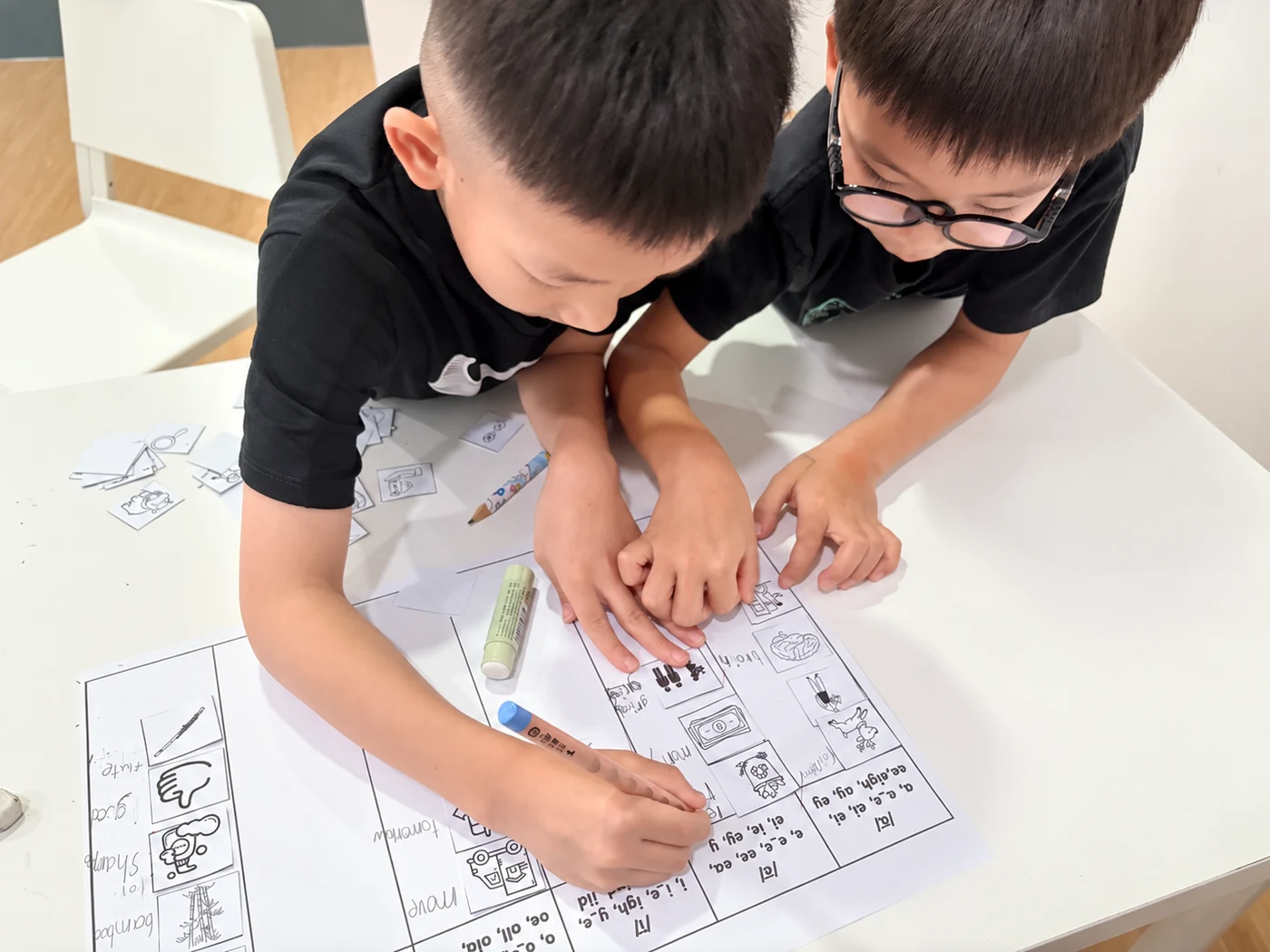
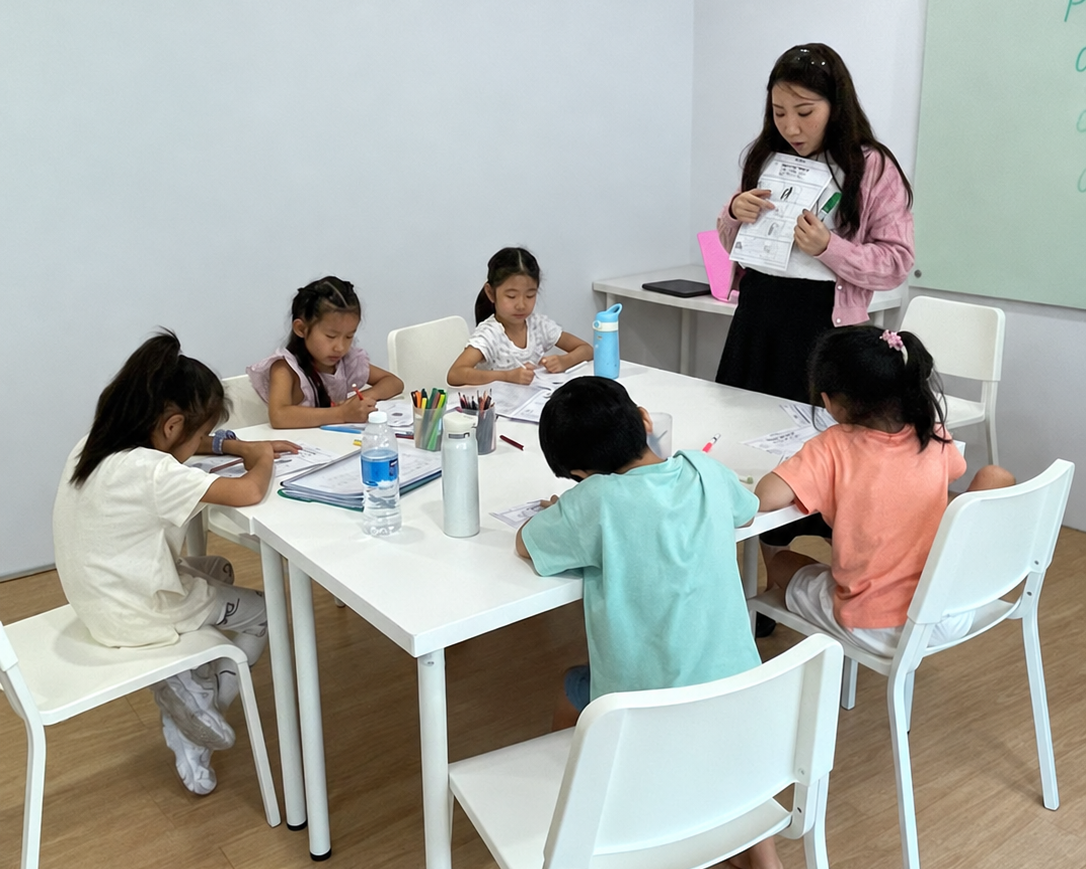
Preschool Phonics (N2–K2) builds progressively through six levels: from letter sounds and simple word blending to alternative spelling patterns, longer words, reading comprehension and independent sentence writing. Guided practice and cumulative revision help children remember, distinguish and apply what they have learnt.
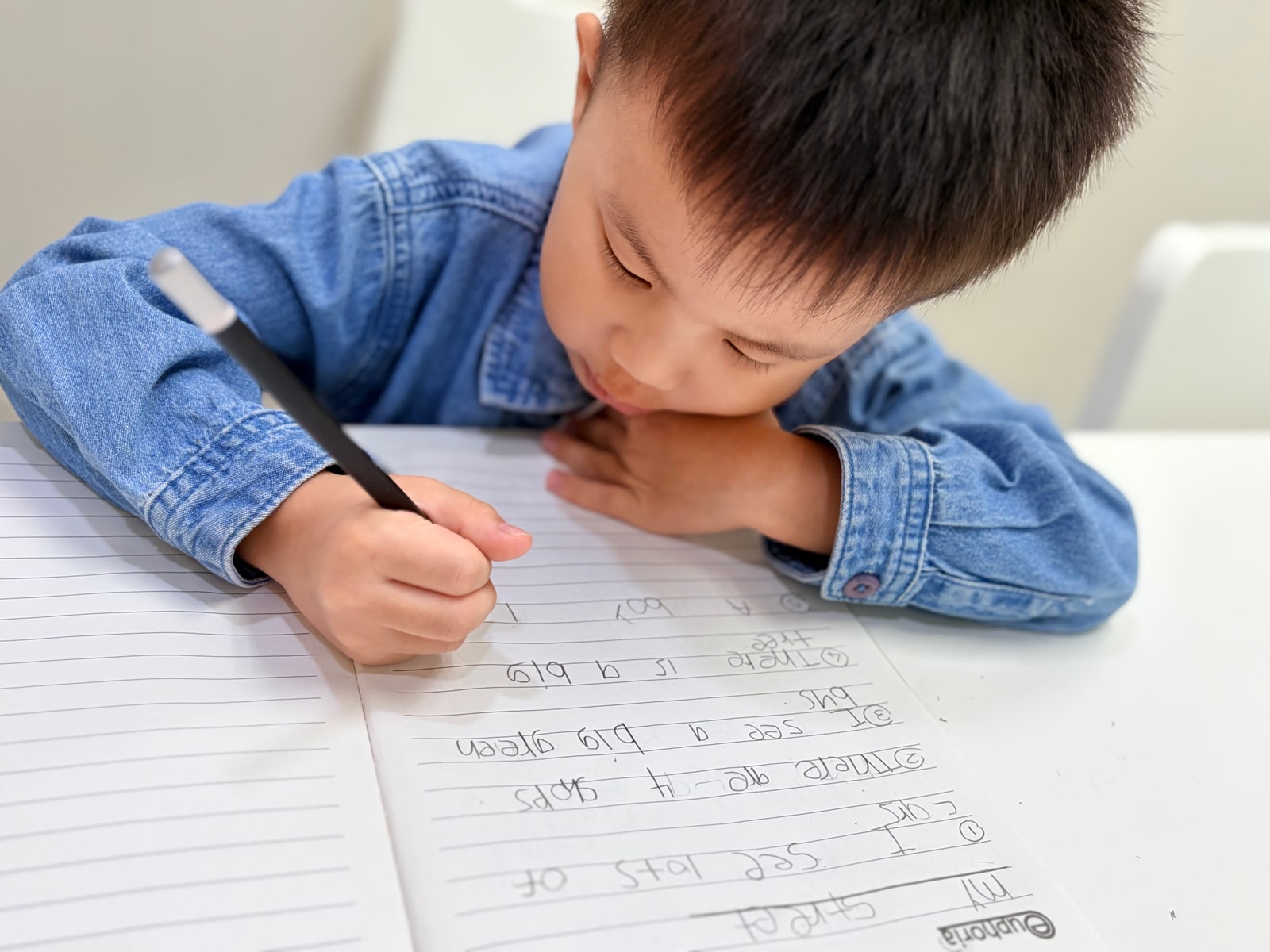
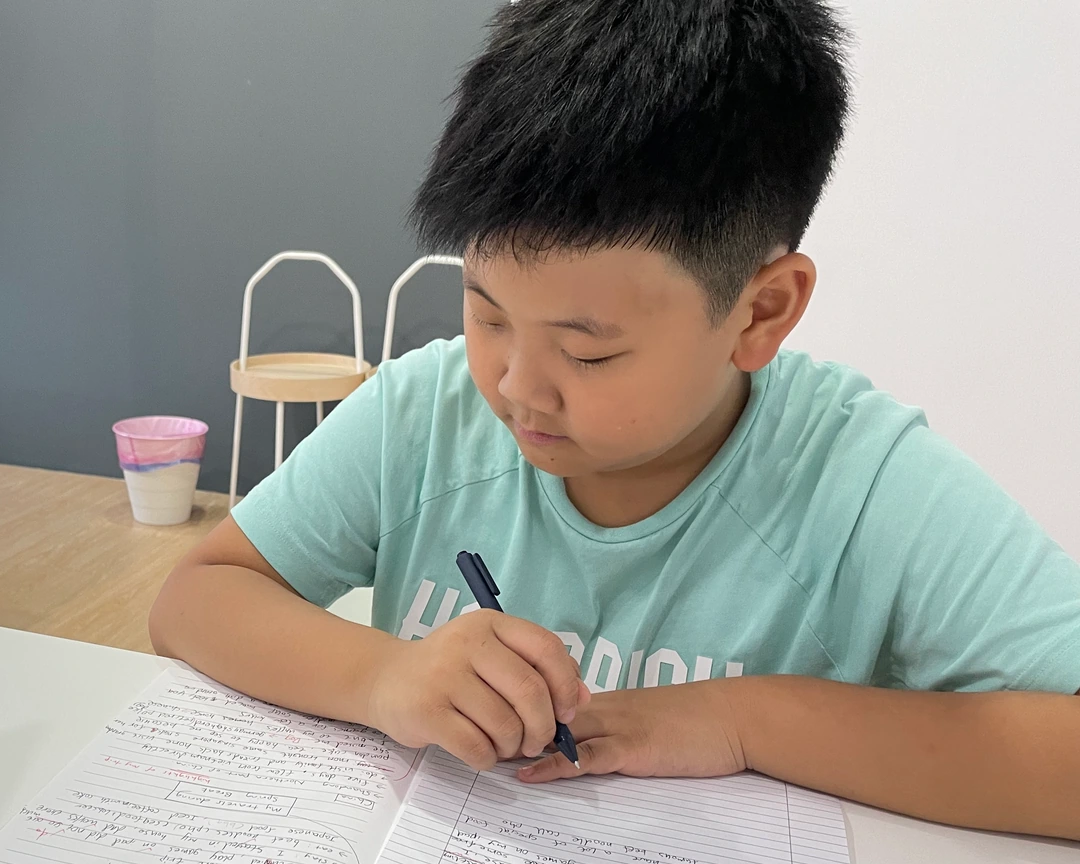
Primary English (P1–P6) gives each child an individualised learning plan within a small group, developing mastery of the language concepts they need next in line with grade-level expectations.
How is Euphoria different?
Preschool Phonics: 40 core speech sounds and 60+ letter and grapheme spellings. Graphemes are letters or groups of letters that represent sounds. Across six progressive levels, children practise using these sound–spelling connections to read unfamiliar words and spell, rather than relying on rote memorisation. Children are grouped by assessed ability, not age alone.
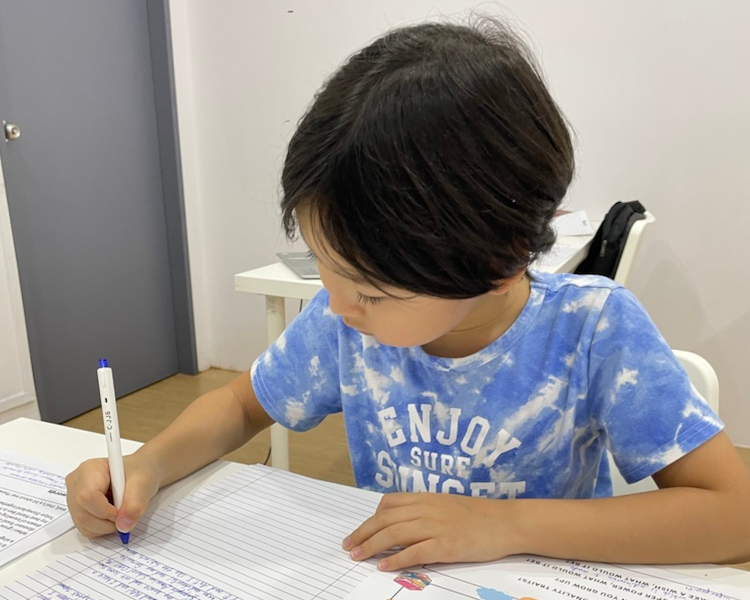
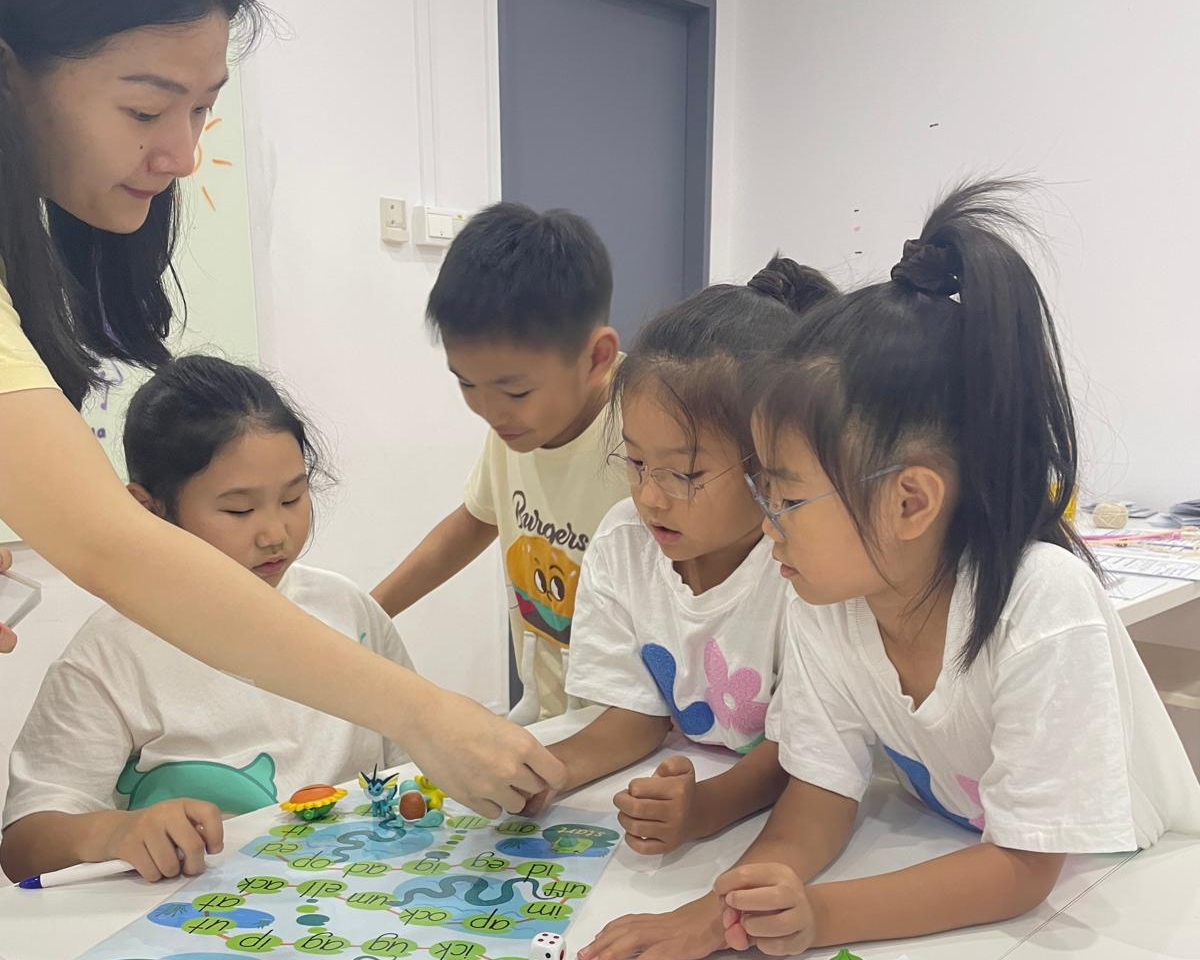
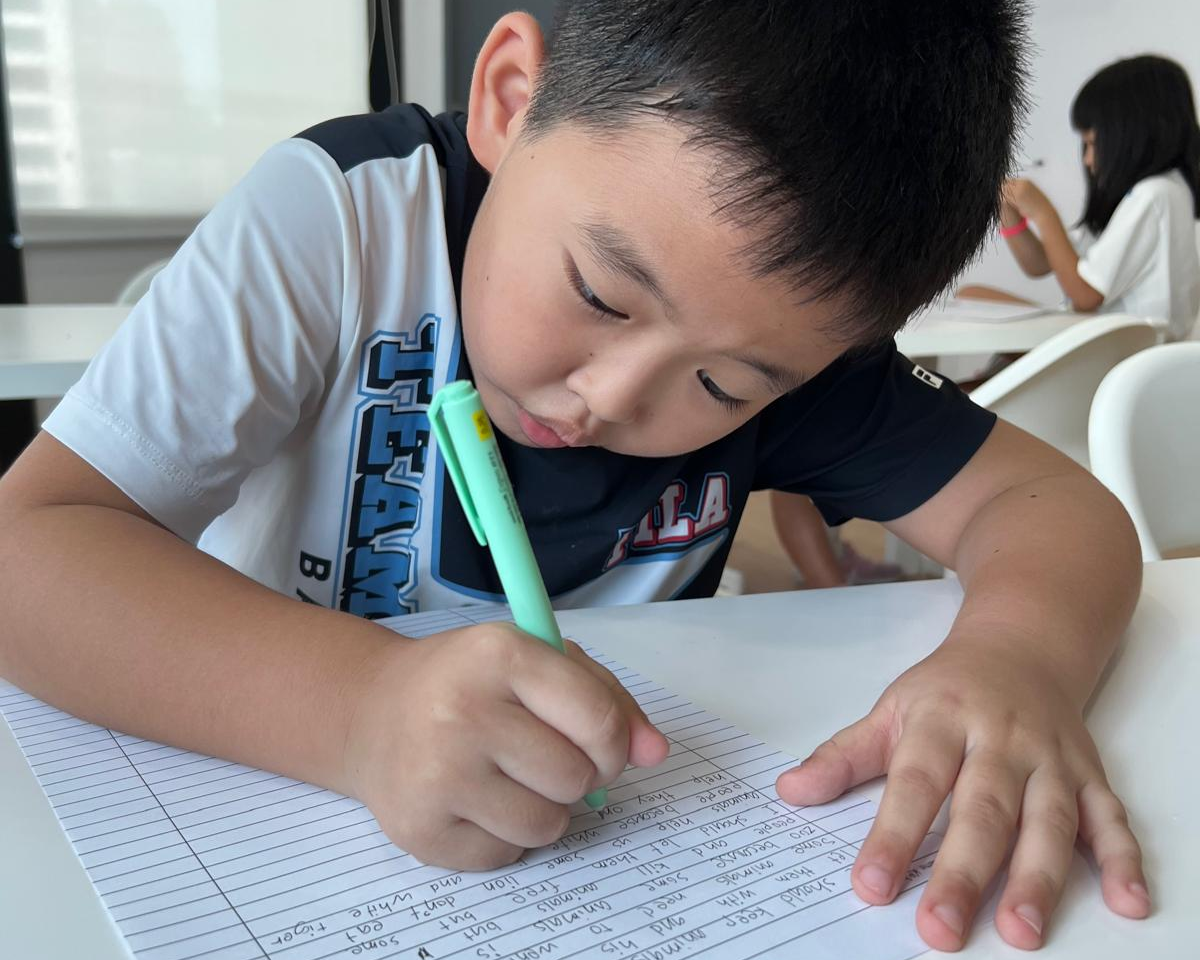
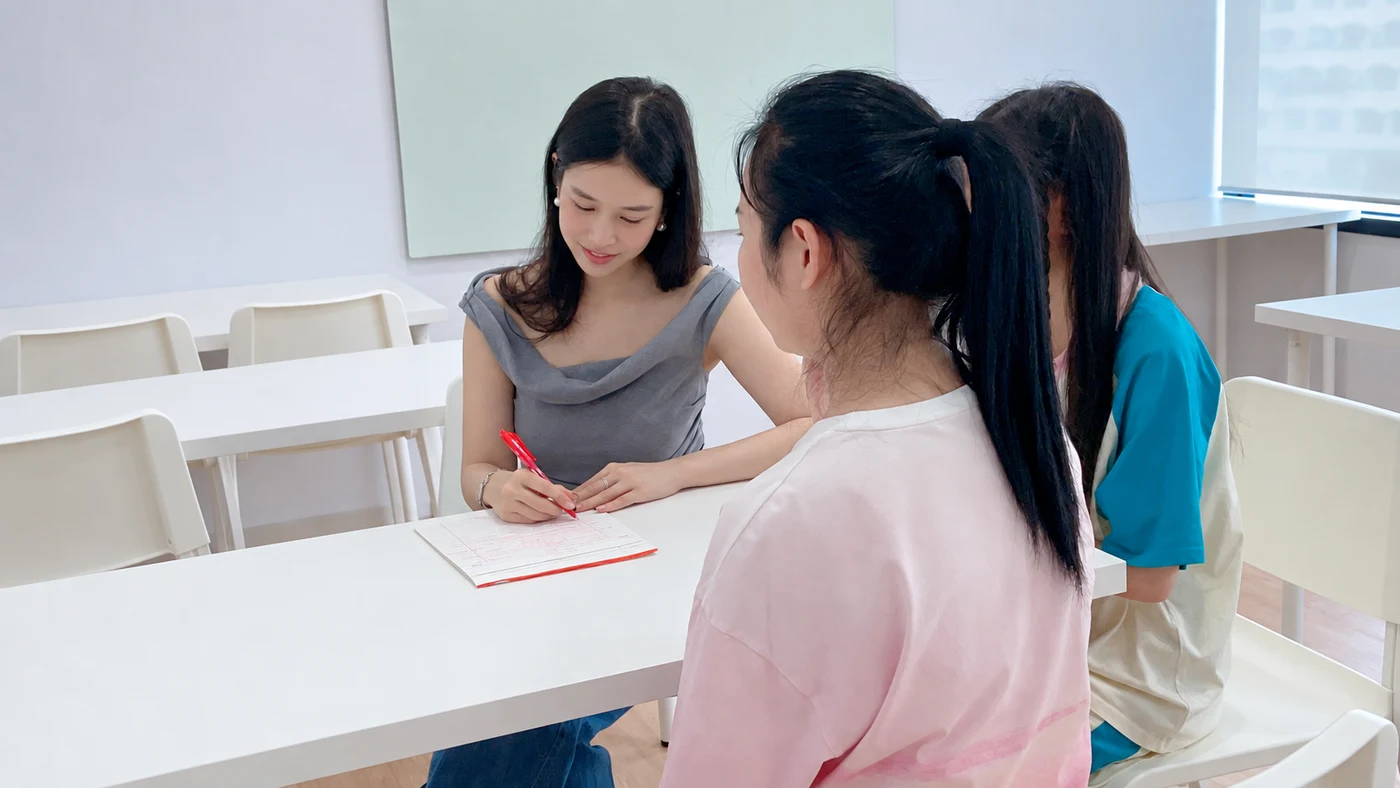
Primary English: an individual learning plan for every child. In groups of no more than four, each child receives direct teacher instruction and practice selected for their learning gaps and next goals, in line with grade-level expectations. The plan guides what each child works on and practises next.
Across both programmes, teachers explain concepts explicitly, provide sustained practice and check that children can apply their learning independently.
How do you decide where my child should begin?
Age and school year give us context, but current skills determine the starting point. We consider phonics and spelling knowledge, reading accuracy, fluency, comprehension and stamina, grammar, writing, and the level of support your child needs to work with appropriate independence.
My child can already read. Why assess phonics and spelling?
Some children recognise familiar words from memory or exposure but find unfamiliar words difficult to decode and spell. We check whether your child can use the sound–spelling system independently, not simply recall a familiar word.
How can different Primary school years learn in one group?
Primary groups are kept to a maximum of four students. Each child follows an individual learning plan and receives direct instruction from the teacher. Review and application work is then prepared around the concept that child is currently mastering.
When is one-to-one support appropriate?
It may suit a specific learning gap, transition, admissions goal or need requiring individual pacing. Wherever educationally suitable, our main offer remains an appropriately matched group programme.
Will I know what my child is working on?
Yes. After each class, our feedback notes the areas covered, the lesson and its purpose, what the teacher observed, the support your child needed, what comes next and any suggested home practice.
You may also book a complimentary time with your child’s teacher to discuss their progress in more depth.